
Close Menu
    Facebook X (Twitter) Instagram
    USAHITMAN Conspiracy News
    Facebook X (Twitter) Instagram
    USAHITMAN Conspiracy News
    Home»Food & Health News»Why Is a Baker’s Dozen 13? History Behind It
    Food & Health News

    Why Is a Baker’s Dozen 13? History Behind It

    By mediahitmanJune 17, 2013Updated:January 5, 2020No Comments1 Min Read
    Facebook Twitter Pinterest LinkedIn Tumblr Email
    Share
    Facebook Twitter LinkedIn Pinterest Email

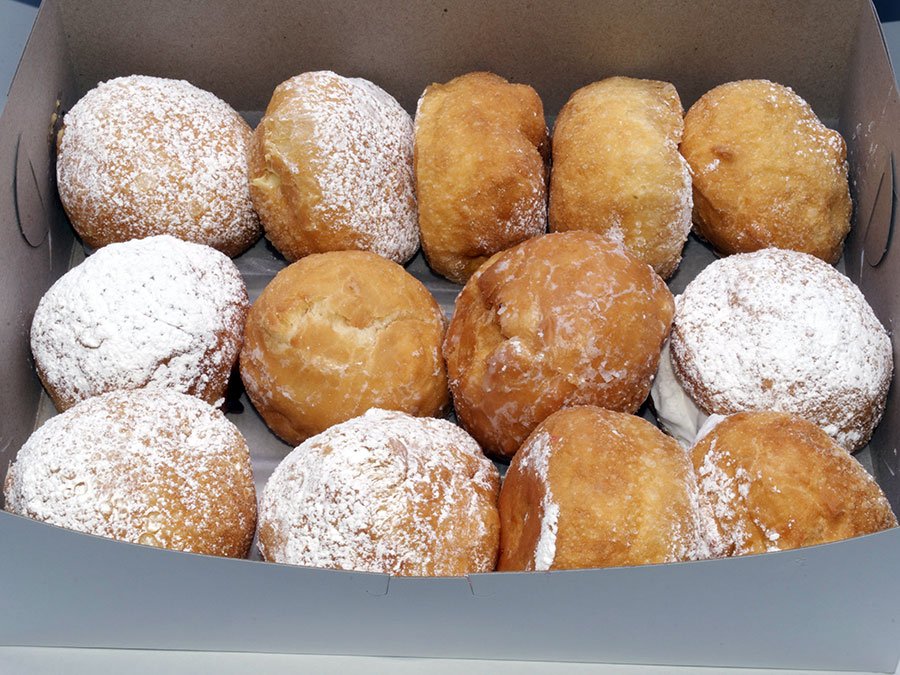
    The next time you get the gift of an extra doughnut added to your dozen, thank crooked 13th-century bakers for the bonus treat. In the 1260s, British breadmakers were notorious for shorting customers with skimpy loaves.

    King Henry III was so irked by the problem that he implemented a new law to standardize the weight of a loaf—selling puny loaves could result in beatings or jail time.

    Since bakers wanted to stay on the right side of the law, one common trick was to give 13 loaves to any customer buying a dozen. Even if the loaves were light, the extra would cover the shortfall. It was an easy fix for bakers, and since low-carb diets were still seven centuries away, customers rejoiced.

    Baker Bakery Bread Dozen Food History
    Share. Facebook Twitter Pinterest LinkedIn Tumblr Email
    mediahitman

    Related Posts

    Coronavirus vaccine to be developed from digital DNA sequencing

    January 30, 2020

    Coronavirus: Whole world ‘must take action’, warns WHO

    January 30, 2020

    Australian scientists first to recreate Coronavirus outside China

    January 29, 2020

    Comments are closed.

    Facebook X (Twitter) Instagram Pinterest
    © 2026 ThemeSphere. Designed by ThemeSphere.

    Type above and press Enter to search. Press Esc to cancel.